
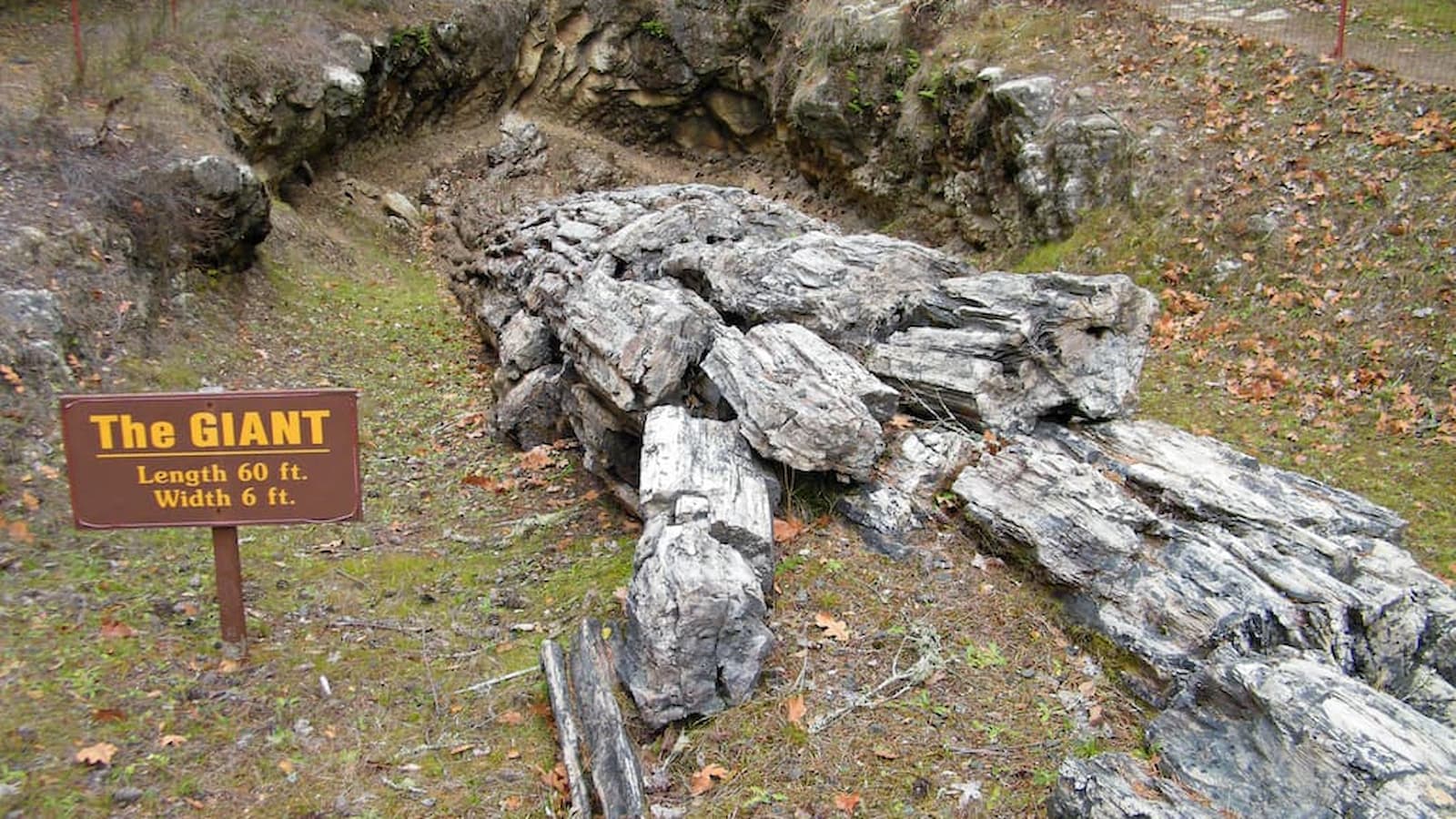
When most people think of Calistoga, geothermal spas and wine tasting come to mind. But just a short drive from downtown sits one of California’s most remarkable natural wonders. The Petrified Forest offers something completely different from your typical Napa Valley experience, a walk among ancient redwood trees that were turned to stone 3.4 million years ago.
Located at 4100 Petrified Forest Road, this privately owned park has been sharing these geological marvels with visitors since 1914. After a day spent exploring these ancient giants, our Napa Valley Lodging provides the perfect place to relax and reflect on the natural history you’ve just witnessed.
How Ancient Redwoods Became Stone
The story begins with Mount St. Helena, which sits about seven miles northeast of the forest. Around 3.4 million years ago, this volcano erupted with enough force to knock down an entire grove of coastal redwoods. Volcanic ash and sediment buried the fallen trees, and over millions of years, mineral-rich water seeped through the wood. Slowly, silica and other minerals replaced the organic material, cell by cell, until the trees transformed into stone while preserving their original structure in remarkable detail.
What makes the Petrified Forest special is how well-preserved these trees remain. You can still see growth rings, bark texture, and even the cellular structure of the original redwoods. Some specimens include both redwoods and ancient pines, giving scientists valuable insight into what California’s forests looked like millions of years before humans walked the earth.
Walking Alongside Giants
The main trail stretches just under half a mile, winding through the hillside past some of the most impressive specimens. The fallen trees lie where they landed millions of years ago, now turned to stone and carefully excavated to reveal their full length. Each has been given a name that reflects its unique characteristics or historical significance.
The Giant, the first major specimen you encounter, lies horizontal along the path and measures 60 feet long with a six-foot diameter. Impressive as it is, this fallen tree is overshadowed by The Queen, which stretches 65 feet and boasts an eight-foot diameter. Ferns grow in the Queen’s crevices, creating a beautiful contrast between ancient stone and living greenery. These massive specimens are believed to be among the largest petrified trees in the world.
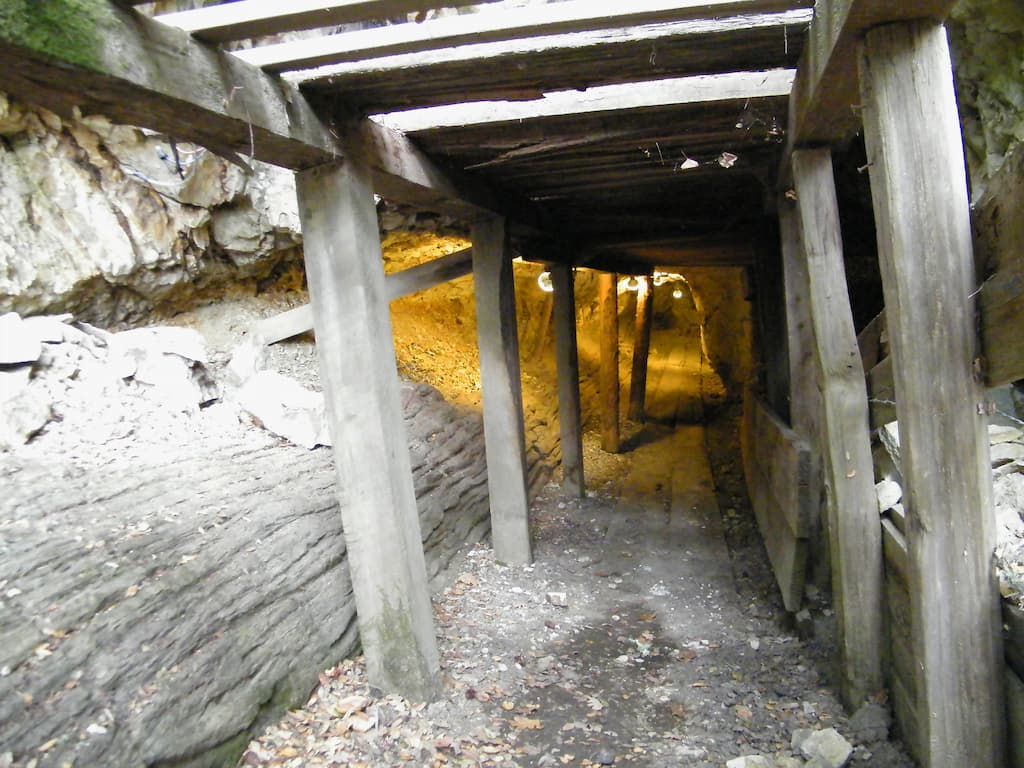
The Tunnel Tree gets its name from a hollow section running through part of its length. While most of this 120-foot fallen giant lies exposed along the trail, a protective structure surrounds the tunnel portion. You can peer down the hollow interior from the outside and see where it ends at the back wall. The view down this ancient tunnel offers a unique perspective on how the tree’s interior was preserved. The Robert Louis Stevenson Tree honors the famous author who visited the forest in 1880 and wrote about it in his book “The Silverado Squatters.” A piece of this tree was given to Stevenson himself, connecting the forest to literary history.
Among the petrified redwoods, you’ll also find the Pit Tree, the only petrified pine in the forest. This discovery helped scientists understand the diverse ecosystem that existed here millions of years ago.
The Meadow Trail and Volcanic History
After exploring the main trail, take the half-mile Meadow Trail that branches off near the back of the property. This relatively flat path rewards you with two things: sweeping views of Mount St. Helena and a firsthand look at the volcanic ash fall that covered the ancient forest.
Standing at the viewpoint, you can see the very volcano responsible for creating this petrified forest. The exposed ash fall area features interpretive signs explaining the geological processes that turned an active forest into a stone time capsule.
The entire walk, including both trails, takes about 45 minutes and is a popular trail for dog owners looking for pet-friendly trails. The park just asks that you keep your dog on a leash at all times and pick up after them. The paths are well-maintained with clear signage at each point of interest, making it easy to explore on your own or join one of the docent-led tours offered throughout the day.
If you are traveling with your furry friend, be sure to check out the Calistoga Room at Wine Way Inn and the Spring Room at The Craftsman Inn. Both are pet-friendly and have access to their own private outdoor areas.
Nature Beyond the Stone
While the petrified trees are the main attraction, the living forest around them offers its own rewards. Spring brings a spectacular wildflower display along the trails. Warrior’s Plume, an early spring bloomer native to California, appears at the base of manzanita and oak trees. Past the Pit Tree, watch for Fremont’s Star Lily on the right side of the trail. Henderson’s Shooting Star typically blooms first among the wildflowers, followed by California lilac, Matilija Poppy (also called the Fried Egg Flower), Golden Fairy Lanterns, and Indian Paintbrush. The timing of each bloom creates a changing display throughout spring and summer.
Fall visits reveal a different side of the forest. When leaves drop, mushrooms emerge along the trail. Look for fairy fingers, honey mushrooms, turkey tail, mulch maid, golden ear, cowboy’s handkerchief, and various bolete species.
Wildlife viewing opportunities abound throughout the year. Red-tailed hawks circle overhead while California mule deer browse among the trees. Western fence lizards sun themselves on rocks and fallen logs. Several woodpecker species, including the striking Pileated woodpecker, drum on tree trunks. You might spot spotted towhees, house finches, and dark-eyed juncos moving through the underbrush. Huge banana slugs cruise across the petrified trees, butterflies visit the wildflowers, hummingbirds dart between blooms, and non-venomous gopher snakes occasionally cross your path.
A Family Legacy of Preservation
The forest’s history as a tourist destination is almost as fascinating as the petrified trees themselves. In 1870, Swedish homesteader Charles Evans (known as “Petrified Charley”) discovered the first specimen while working his land. His find attracted scientists and curious visitors, including Robert Louis Stevenson a decade later.
In 1914, Ollie Bockee purchased the property with a vision for preservation and education. Her family has owned and operated the Petrified Forest for over a century, passing down their commitment to protecting these natural wonders while sharing them with visitors from around the world.
Planning Your Visit
The Petrified Forest sits just under 5 miles from downtown Calistoga on Petrified Forest Road. The short drive takes you past scenic hills, complete with vineyard and mountain views. Watch for the red entrance sign, as it sits just after a winding section of road.
For current hours and admission fees, check https://www.petrifiedforest.org/hours-admission. The gift shop at the entrance offers petrified wood specimens, fossils, crystals, books, and other nature-inspired items.
Wear comfortable walking shoes, as the trail includes some small hills. Bring water, especially in warmer months. The property doesn’t allow dogs, so plan accordingly if you’re traveling with pets.
Pairing Ancient History with Wine Country Charm
Less than a mile from the park entrance, Hans Fahden Vineyards makes the perfect stop on your way back to the Craftsman Inn or Wine Way Inn. This family-owned winery offers intimate tastings and stunning vineyard views, the ideal way to transition from ancient geological wonders to the flavors of modern Napa Valley.
If you’re looking for more outdoor adventure, Calistoga’s other hiking trails range from easy vineyard walks to challenging summit climbs. A 10-minute drive from the Petrified Forest brings you to Old Faithful Geyser, another geological wonder unique to this area. Together, they make for a full morning of exploring Calistoga’s volcanic past before heading back to town for lunch or a spa treatment.
Your Home Base in Calistoga
After exploring millions of years of natural history, you’ll appreciate returning to the comfort of modern hospitality. Our historic Calistoga inns provide a relaxing retreat in the heart of downtown, just minutes from the Petrified Forest and all of Calistoga’s other attractions. If you’re traveling with your four-legged friend, we offer pet-friendly rooms so your dog can enjoy the trip as much as you do.
Whether you’re drawn to ancient geological wonders, challenging hikes, or the simple pleasure of wine tasting, Calistoga offers experiences that go well beyond the typical wine country visit. Book your stay and discover why this small town at the northern tip of Napa Valley has captivated visitors for over a century.
Images courtesy of © Sarah Stierch, CC BY 4.0, via Wikimedia Commons